
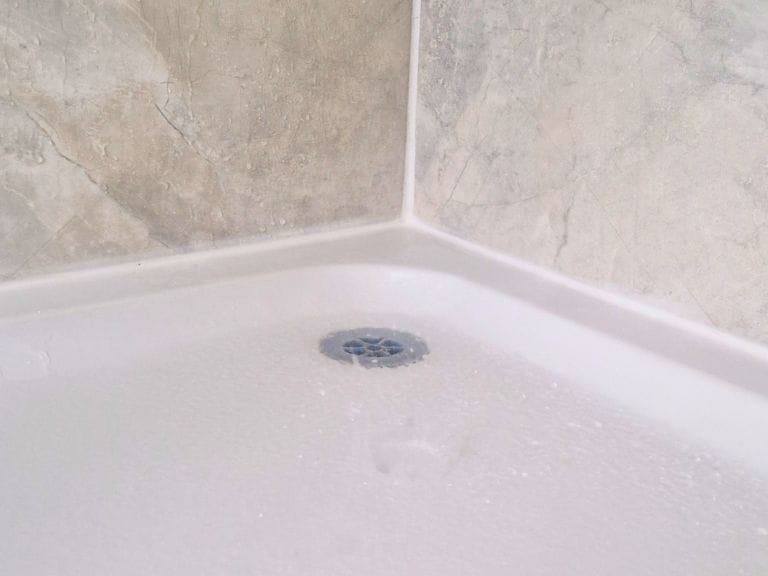
When showering it’s near impossible to stop hair from being washed down the drain. This build-up of hair can quickly affect your upstairs drains, so knowing how to prevent it and being able to identify potential drainage warning signs, can help you avoid the stress of a blocked drain, and keep water flowing freely.
We share some general prevention tips and how to spot when it’s time to call in a professional.
Why Shouldn’t Hair Go Down the Drain?
Any foreign object going down the drain will almost always lead to a build-up. A few strands of hair may not feel like they will have a negative impact on your drains, however, shampoo, conditioner, soap and body oils all form a sticky film in pipes that hair and debris stick to. This can easily start to build up over time.
Bacteria Can Build Up
Hair can act as a net for bacteria as dirt and scum collect everything you don’t want in your drains. This can cause an unpleasant smell when you’re trying to wash and can even negatively affect allergies.
Leaks and Leaky Pipes
Build-up can also cause leaky pipes. This can start to get costly the longer you leave it. Taking a few pre-emptive measures and regularly cleaning your drains is the best solution!
Ways to Prevent Hair Going Down the Drain
- Brush your hair before you get in the shower: This is a simple pre-emptive step. By just giving your hair a quick run through you can remove loose hairs which are the prime suspects of a build-up.
- Purchase a hair-catching drain cover: This will collect any loose hair before it ends up down the plughole. This can be cleared out after each shower keeping your drains clear.
- Use a shower cap: When you aren’t washing your hair, you can use a shower cap to stop dead hair from falling down the drain. This is also beneficial for your hair as you avoid over-washing it and affecting its natural oils.
- Regular bathroom drain maintenance: cleaning your drains regularly helps dissolve the soapy residue and oils that can bind hair together in pipes, keeping water flowing and odour-free.
How Do You Clear Hair from Your Drains?
Purchasing a supermarket drain cleaner is a quick solution to a blockage. We recommend flushing your drain through weekly with hot water and making sure your hair catcher is clear. For a deeper clean, the steps above should be carried out monthly as part of a regular cleaning routine.
What Are the Warning Signs Your Drains are Starting to Block?
The main signs to look out for when diagnosing if a drain is starting to block are:
Slow drainage: Have you noticed that it’s taking a while for water to drain away? This can highlight there is a potential blockage in the pipe stopping the water from getting through.
Strange sounds: Can you hear noises coming from the drain? This can be air in the pipes trying to get through a blockage.
Foul smells: Is your drain causing your bathroom to smell? This could be coming from waste in the pipe.
Water around the drain: Does water not drain properly? This can indicate a blockage is stopping it from going down.
Recurring blockages: Do you clear the drain one week and it’s blocked again the next? This can happen because you may have cleared the immediate clog, but not the build-up further down the pipe, or there could be other potential damage that you can’t see.
If you have any problems with your drains and you need speedy, experienced drainage experts, we’re ready to help!
