

Disposing of fats and grease properly is crucial to keeping your drains clear and running smoothly. Over time, build-ups can clog pipes, cause fatbergs to form and eventually lead to costly drainage issues.
We share our top tips on how to correctly get rid of fats and grease, and how we help our customers when a drainage emergency arises!
Keeping Drains Fat and Grease Free
Accidentally pouring hot grease, fats and oils down the kitchen sink is easily done, especially when trying to speed through cleaning up after an evening meal or roast. However, grease and fats build up over time and can eventually lead to fatbergs forming, clogged sinks, blocked drains and flooding.
Our engineers are regularly called to homes and commercial properties to carry out CCTV surveys to identify these issues. Once we have diagnosed the problem, we use our high pressure jetting equipment to descale and remove fat build-up that collects in the u-bend pipework.
Over time, this can become a serious drainage problem, so being mindful of how you collect and dispose of waste and grease can save you stress and costly damage in the long run.
Simple Steps When Disposing of Fats and Grease
We recommend:
- Wiping plates with kitchen towels before washing in the sink – this is a great way of making sure only minimal amounts of grease, fats and left over food escape down the plug hole.
- Pour fat from pans into a grease trap or a used food container – once this has solidified, it can then be disposed of without any mess.
- Use sink strainers over the kitchen plughole – this will help catch bits of food which can then be thrown away instead of collecting in pipes.
- Avoid using hot water – if you suspect that you have a build-up, avoid trying to solve it yourself using hot water. You might think hot water will melt build-up and wash it away. In reality, it will just move the blockage further down the pipe to solidify there.
- Drainage maintenance for commercial properties – due to the high amount of waste, we highly recommend that businesses serving food maintain grease traps regularly and professionally.
Collecting Fat and Grease: A Method for Wildlife Lovers
Another top tip for disposing of unwanted grease, fats and oils will not only keep your drains clear, but give wildlife the nutrients they need to survive, especially in the cold winter months.
Mix the fat and grease you’ve collected with dry ingredients such as nuts, oats and breadcrumbs to make fat balls!
What to Look Out For
Much like other drain issues, there are common warning signs you should look out for:
- Water draining away much more slowly than usual or – in more serious situations – find that water is not draining away at all
- Hearing air trapped in the pipes making strange gurgling sounds
- A strong, unpleasant smell coming from the drain, caused by trapped, decomposing food
- Noticing pests flying around the sink more often.
These could all indicate that it’s time to call in professionals who have the knowledge and correct equipment to identify, diagnose and fix the underlying issues.
Grease Trap Overflow at a Café – A Case Study
Recently, we received a call from a stressed café owner on a Friday evening reporting a blocked drain in Emsworth. After assessing the situation on the phone, our team went to the establishment to get the customer’s drains running smoothly again before the start of a busy bank holiday weekend.
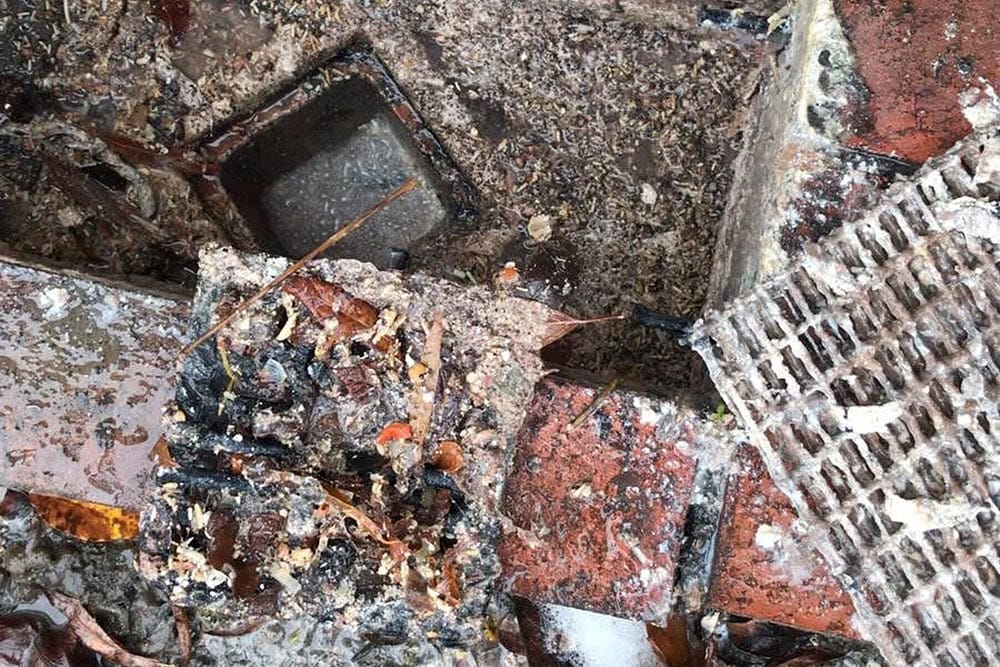
On arrival there was a bad smell coming from a blocked kitchen sink. We found that the outside drains were blocked. As the grease trap had overflowed, it had spilled into the drain run from the sink, and had solidified. This in turn caused the sink to back up.
To solve the problem, we emptied the grease trap and used a high-pressure water jet on all the drain runs. Then, we carried out a CCTV survey of the line to make sure everything was clear. After ensuring the busy café could safely serve customers again, we recommended yearly drainage maintenance, including emptying the grease traps to help avoid blocked drain issues arising in the future.
Whether you are a homeowner that has a drainage issue causing concern or are looking for a commercial drainage partner you can trust, give our team a call to discuss your requirements.
Contact us today
